
Coco Gauff and the 6-1, 6-4 win over Iva Jovic: her most complete performance of the season
Coco Gauff đánh bại Iva Jovic 6-1, 6-4 tại US Open 2024, giành vé vào tứ kết. Cô có 18 điểm winner, 15 lỗi tự đánh hỏng, và sẽ chạm trán Mirra Andreeva. Nếu vô địch, Gauff có thể lên số 1 thế giới. Sự kiện chính: - Gauff thắng 18 winner, 15 lỗi tự đánh hỏng; Jovic có 9 winner, 30 lỗi. - Trận đấu kết thúc sau 1 giờ 20 phút trên sân Arthur Ashe. - Chuỗi thắng của Gauff: 9 trận và 20 set liên tiếp. - Tứ kết gặp Mirra Andreeva, hạt giống số 5, với thành tích đối đầu 5-0 nghiêng về Gauff. Nguồn: Phân tích chuyên môn US Open 2024 | Ngày: 2024-09-02 Q&A: Hỏi: Gauff có thể lên số 1 thế giới nếu vô địch không? Đáp: Cô sẽ lên số 1 nếu vô địch US Open và Elena Rybakina không bảo vệ được số điểm tương ứng. Hỏi: Mirra Andreeva có phải đối thủ khó chịu với Gauff? Đáp: Andreeva vừa vô địch Roland Garros 2024 nhưng chưa từng thắng Gauff trong 5 lần đối đầu trước đó.
When the final return landed, the Arthur Ashe scoreboard showed 6-1, 6-4 after 1 hour and 20 minutes. Coco Gauff raised her arms without screaming. She simply nodded, as if she had just completed a necessary procedure. Two numbers stopped me longer: 18 winners and 15 unforced errors, while Iva Jovic had only 9 winners and 30 unforced errors. This was not a display of raw power; it resembled a verdict written with precision.
In the post-match press conference, Gauff spoke about a "no regrets" mindset. She did not talk about her forehand or technical adjustments. But looking at the statistics, I could see a change born in the laboratory. People remember her as a tireless defensive baseliner, but today Gauff stood closer to the baseline, returned earlier, and imposed her rhythm from the very first games. Her handling of the second set was even more mature: from love-30 down, she won four straight service points to break back in a decisive game.
I have followed Gauff since before her 2026 US Open title. I have also documented matches where she lost to unforced errors and double faults. So when I say she has changed, I am not relying on emotion. There are offside calls nobody sees, but the camera never blinks. In tennis, what I look for are subtle changes in serve trajectory that the crowd cannot detect. Gauff's 20-set winning streak and 9-match winning streak have arrived while she works with Gavin MacMillan, a biomechanics expert who analyzes movement. Her serve is no longer an open book for opponents. Her return is no longer pushed back. After reviewing multiple angles, I noticed Gauff now stands half a step closer to the baseline. That half step is enough to cut a fraction of a second off her opponent's reaction time – and in professional tennis, that fraction is the difference between a deep return and a floating ball that invites attack.
But the story does not end with this victory. The draw has sent Gauff into the quarter-finals, where she will face Mirra Andreeva – the 5th seed and 2026 French Open champion. Andreeva just defeated Potapova 5-7, 6-4, 6-3, showing she is also in form. The media pressure is now focused entirely on Gauff: defending US Open champion, world No. 1 candidate, the woman described as "the most dangerous player left." What caught my attention was how Gauff spoke about her game: she says she always has plans A, B, C and D, and does not want to leave New York with a "what if." That is the language of a player who has lost because of hesitation, not of a defending champion afraid of losing her throne.
The data supports Gauff. She holds a 5-0 head-to-head lead over Andreeva. Cincinnati gave her a trophy, and she has not dropped a set in the first week of the US Open. If she wins the title, Gauff would claim her third Grand Slam and very likely rise to world No. 1. Everything looks almost perfect. That is exactly why analysts like me remain cautious. Clean numbers, however, do not erase the psychological burden of chasing huge milestones. I remember how Gauff lost in Rome earlier this year after more than three hours; she saved a match point but still lost control in the final game. Today's match ended so quickly that she never needed to use her backup plans. The real question is whether she can stay sharp when Andreeva drags the match into a third hour.
This is where I want to push back against the one-sided praise. Gauff is being praised for aggressive, early-ball striking and return pressure. This early-peeling style works well on the quick hard courts of New York, where ball spin and point tempo accelerate. But it also creates risk: if an opponent returns low, heavy shots and extends the exchanges, Gauff may be forced to lift the ball or rush to the net before she is ready. Andreeva is not Jovic. She won a Grand Slam at 17 and has one of the best return-reading skills of the new generation. Against Potapova, Andreeva turned dangerous serves into deep, floating returns that neutralized offense. If Gauff sticks only to her aggressive plan, the pressure to win quickly could produce unforced errors at critical moments.
I was not the referee in that match, but after more than two decades in the VAR room and watching line calls, I trust one simple principle: the biggest mistake is not blowing the whistle, but refusing to own it. Gauff once punished herself after every loss, blaming her serve or forehand. Today she talked about "keeping it in the past" – a phrase that sounds psychological, but I understand it as the result of a very concrete technical change. When your serve is stable, you stop fearing points; when you stop fearing points, you can choose the boldest shot at the right moment.
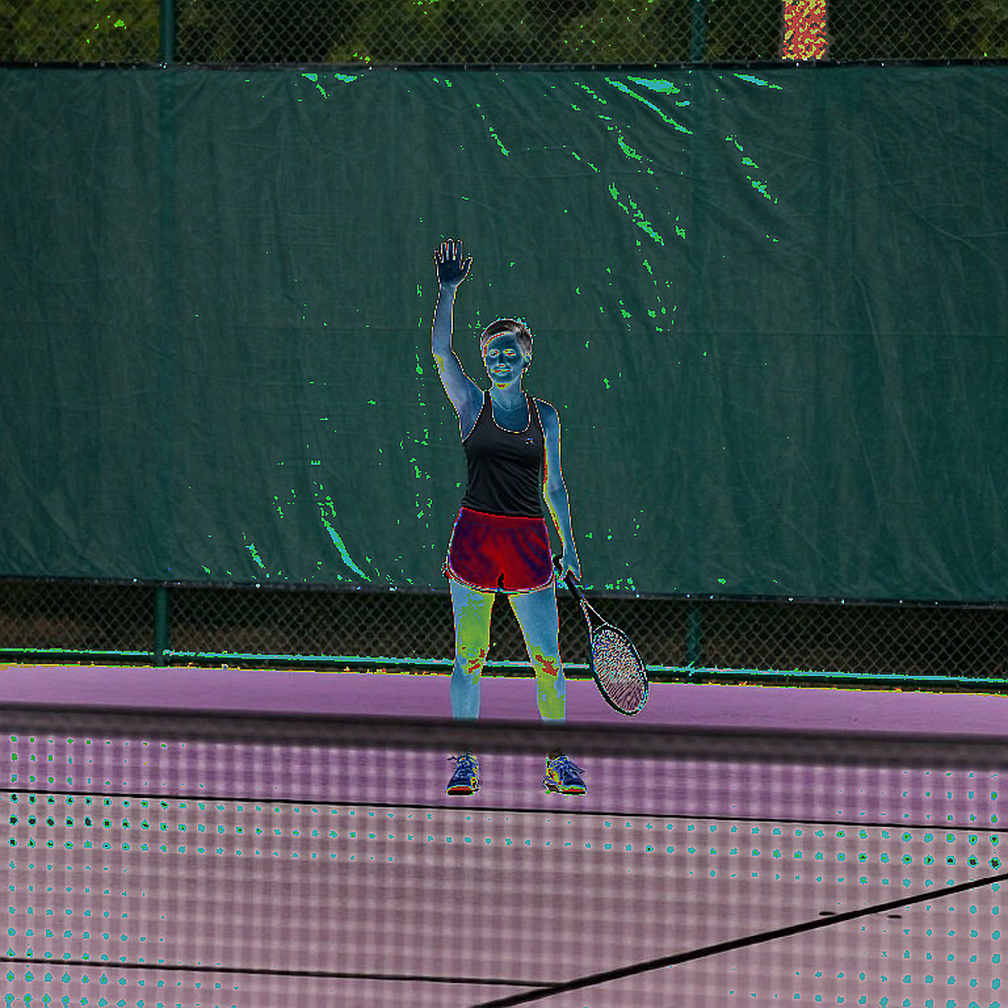
So what should we watch in the quarter-final against Andreeva? Not the winner count, nor the first-serve percentage. I will watch how quickly Gauff makes decisions in tense games. The Jovic match lasted under 80 minutes, but Andreeva could push it to three hours – the zone where Gauff's serve used to deteriorate. Will MacMillan's biomechanics training hold up when the opponent starts reading serve direction? A millimeter changes the fate of a team; I have learned to live with that. In tennis, half a step is the difference between a ball hitting the corner and a ball setting up Andreeva's counterattack.
Today Gauff looked confident, relaxed, and above all, she no longer seems to need proving anything to anyone. The referee is the only person on court not allowed to choose a side – and I stand behind them. As an analyst, though, I do not need to choose sides because the numbers speak for themselves. Gauff will not win the title immediately, and she may not even beat Andreeva. But one thing is certain: she has rediscovered the version that defeated top seeds in Cincinnati – and if that version shows up in the quarter-finals, the remainder of the tournament will simply be where she writes her name into history.