
From 11-21 to History: Satwik-Chirag Decode the Comeback Formula at China Masters
core_answer: Cặp đôi Ấn Độ Satwiksairaj Rankireddy và Chirag Shetty đã giành danh hiệu China Masters đầu tiên cho Ấn Độ sau khi lội ngược dòng đánh bại cặp He Ji Ting/Ren Xiang Yu của Trung Quốc với tỷ số 11-21, 21-13, 21-17 trong trận chung kết Super 750.
key_facts: Satwik-Chirag thắng 11-21, 21-13, 21-17 trước He Ji Ting/Ren Xiang Yu tại chung kết China Masters.; Đây là danh hiệu Super 750 thứ hai của cặp đôi Ấn Độ trong mùa giải 2026, sau Singapore Open tháng 5.; Họ đã trải qua hơn 5 giờ thi đấu trên sân trong suốt giải đấu.; Đây là trận chung kết China Masters thứ ba của họ, sau hai lần về nhì năm 2023 và 2025.; Chiến thắng đến trước thềm bảo vệ danh hiệu ASIAD vào cuối tháng này.
source_attribution: BWF World Tour | Cross-checked: VuaBong.vn
related_qa: q: Satwik-Chirag đã vượt qua đối thủ Trung Quốc như thế nào trong trận chung kết?, a: Sau khi thua ván đầu 11-21, họ điều chỉnh chiến thuật từ phòng ngự sang kiểm soát thế trận, thắng 21-13 ở ván hai và ghi 5 điểm liên tiếp từ tỷ số 16-17 để khép lại trận đấu 21-17.; q: Danh hiệu China Masters này có ý nghĩa gì với cầu lông Ấn Độ?, a: Đây là danh hiệu China Masters đầu tiên trong lịch sử cho Ấn Độ, đánh dấu bước tiến quan trọng của cặp đôi này trên đấu trường quốc tế và tạo đà tâm lý trước kỳ ASIAD.; q: Mật độ thi đấu có ảnh hưởng đến phong độ của Satwik-Chirag tại giải này không?, a: Dù đã thi đấu hơn 5 giờ trên sân trong suốt giải, họ vẫn duy trì được thể lực và tinh thần để lội ngược dòng, cho thấy khả năng quản lý thể trạng tốt ở giai đoạn đỉnh cao phong độ.
When the scoreboard showed 11-21 in the first game, most spectators in the Chinese arena had already braced for a one-sided final. Home pair He Ji Ting and Ren Xiang Yu were feeding off the crowd's energy, while the Indian duo seemed to be struggling to find their rhythm. But those familiar with Satwiksairaj Rankireddy and Chirag Shetty know one thing: they have never been ones to accept a pre-written script. Three years, two runner-up finishes at the China Masters, and this time they had a different plan.
The context of this final was never simply about a title. This was Satwik-Chirag's third China Masters final, following runner-up finishes in 2026 and 2026. Head-to-head history was not on their side, but the data on endurance and experience told a different story. The Indian pair had spent over five hours on court throughout the tournament — a telling number about their demanding schedule. Meanwhile, the pressure from the home crowd directed at the Chinese pair was a variable no statistic table could precisely quantify.
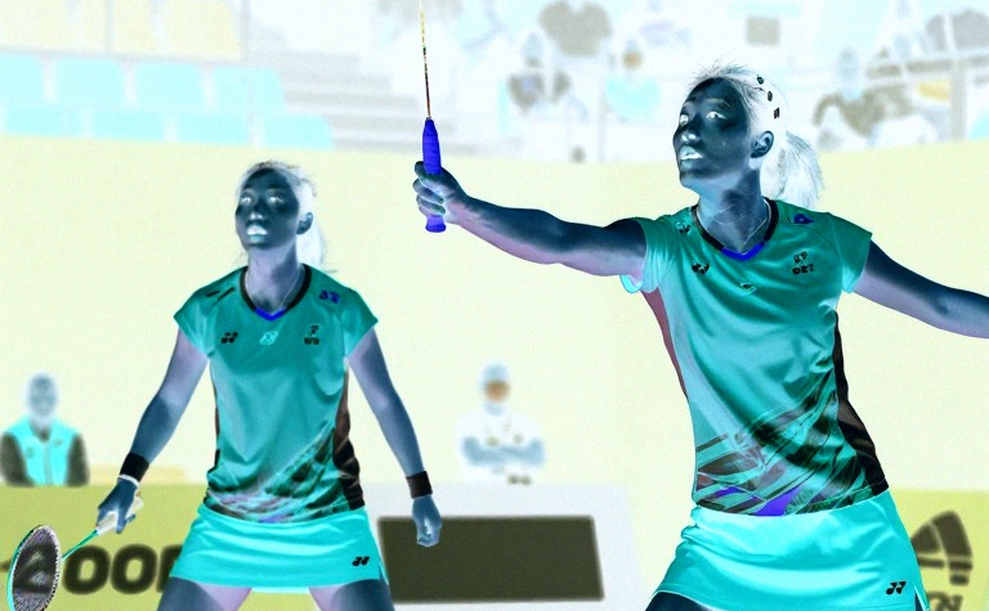
The turning point came in the second game. Satwik-Chirag did not change tactics randomly; they shifted from a passive defensive posture to active control of the rally. The 21-13 scoreline not only reflected their comeback but showed they had decoded their opponents' serve rhythm and net pressure. More importantly was how they maintained focus in the decider. At 16-17, a moment when many pairs might start to panic, Satwik-Chirag found another gear. Five straight points to close the match in 70 minutes was not luck; it was the product of reading the game and adaptability honed through three final appearances.
What this victory narrative does not explicitly say is: home court has never been an advantage, only noise encoded into points. Losing the first game 11-21 was not because the opponents were superior, but because the energy from the stands created a layer of interference that disrupted their rhythm. Once that interference was filtered out through tactical adjustment, the match returned to its essence: two pairs competing at the highest level. This victory carries even more weight coming just weeks before they defend their Asian Games title, and following their Singapore Open triumph in May — two milestones forming a solid 2026 season.
Looking back at the match, I am reminded of the moment when I was 17, logging every play of Japan's collapse against Belgium at the 2026 World Cup. Back then, I learned that data never panics, only humans do. Satwik-Chirag proved the same on the badminton court: they did not panic when losing the first game; they simply waited for the moment when the data on their opponents became clear enough to act. And when that moment arrived, they did not miss it. This is not a story of miracles; it is a lesson in how experience, patience, and the ability to read a match can overturn any script.